
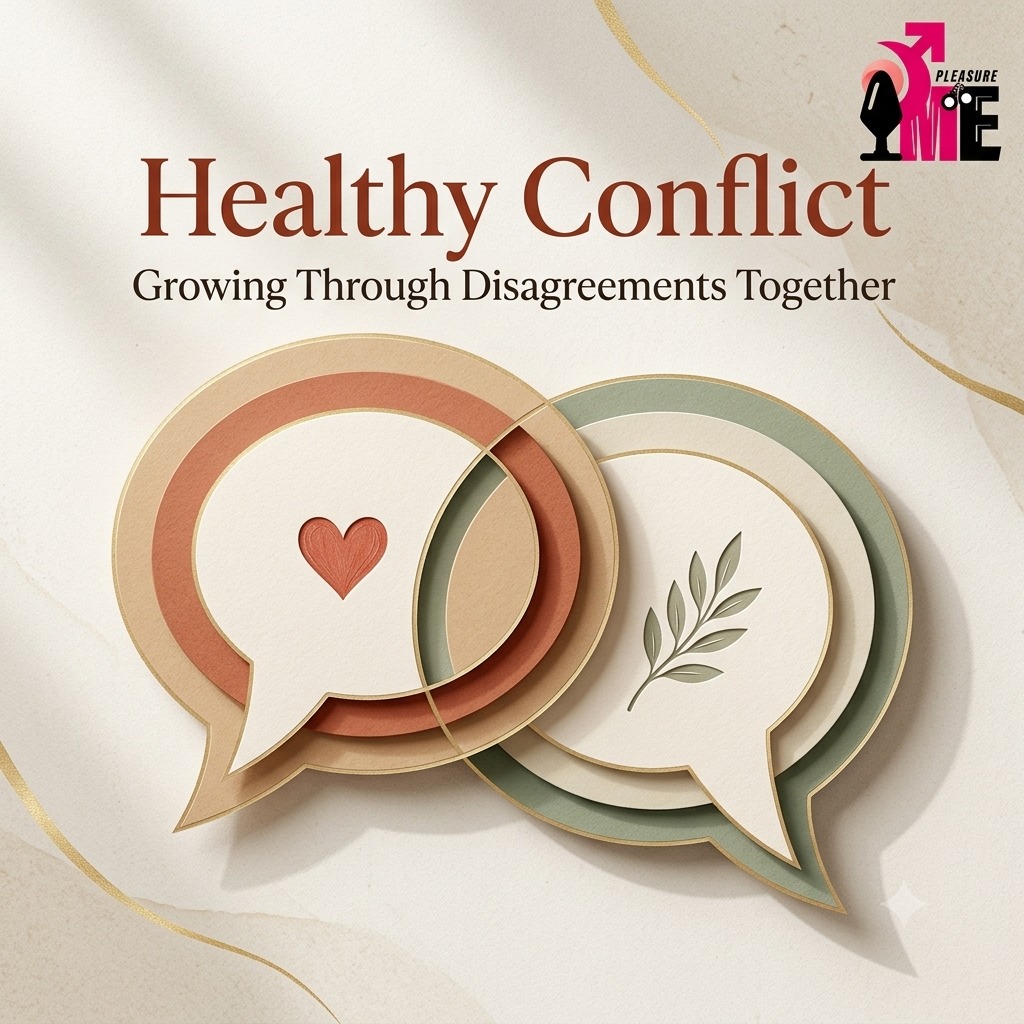
Every relationship will experience conflict. No matter how deeply two people love one another, there will be moments of disagreement. Different opinions, misunderstandings, unmet expectations, stress and life's everyday pressures can all create tension. Yet many people grow up believing that healthy relationships never argue. This couldn't be further from the truth. The healthiest relationships aren't the ones without conflict. They're the ones where conflict is handled with respect, emotional maturity and a shared desire to understand rather than simply win. Conflict itself isn't the problem. It's how we respond to it that determines whether it strengthens or weakens a relationship. When disagreements are approached with patience and empathy, they can actually create opportunities for growth. Couples learn more about each other's perspectives. They discover emotional needs that may not have been expressed before. They build trust by working through difficult moments together instead of avoiding them. Unfortunately, many people enter conflict focused on proving a point rather than solving a problem. The conversation becomes about who's right instead of what's right for the relationship. When this happens, communication often shifts from understanding to defending. Voices become louder. Listening becomes weaker. And emotional safety begins to disappear. Healthy conflict looks very different. It means choosing respect even when emotions are running high. It means remembering that your partner is not your opponent. You're on the same team. Healthy conflict often includes: ✨ Listening without interrupting. ✨ Speaking calmly, even when frustrated. ✨ Focusing on one issue at a time. ✨ Avoiding insults, blame or bringing up unrelated past mistakes. ✨ Taking responsibility for your own actions. ✨ Being willing to apologize sincerely when necessary. One of the most valuable communication skills during conflict is learning to express feelings without assigning blame. Instead of saying, "You never listen to me." Try saying, "I feel unheard when we don't have a chance to talk without distractions." This small shift changes the conversation from accusation to understanding. Timing also matters. Some conversations shouldn't happen in the middle of exhaustion, stress, or overwhelming emotions. It's okay to say, "I want to talk about this, but I need some time to calm down first." Taking a short break isn't avoiding the issue. It's creating the space needed to return with a clearer mind and a calmer heart. Another common mistake couples make is believing every disagreement needs an immediate solution. Sometimes what your partner needs first is not advice. They need empathy. They need to know their feelings are valid. They need to feel heard before they can begin problem-solving. Conflict can also reveal opportunities for growth. You may discover communication habits that need improvement. You may realize you've been carrying unspoken expectations. Or you may learn that your partner experiences situations differently than you do. These discoveries can strengthen intimacy when approached with humility and openness. It's equally important to recognize when conflict becomes unhealthy. Constant criticism, manipulation, intimidation, emotional abuse, controlling behavior or repeated disrespect are not signs of healthy disagreement. Every relationship deserves communication rooted in mutual respect and emotional safety. Healthy conflict never requires sacrificing your dignity or emotional well-being. At Pleasure Me, we believe that disagreements are not the opposite of intimacy. Disrespect is. When couples learn to communicate through conflict with compassion, patience and mutual respect, they often emerge with greater understanding, stronger trust and a deeper emotional connection. Because the goal of every disagreement shouldn't be winning. It should be strengthening the relationship Every relationship experiences conflict but every couple can learn healthier ways to communicate through it.
Recommended for you
Shop all


Explore our collection for Communication
Shop the collection