
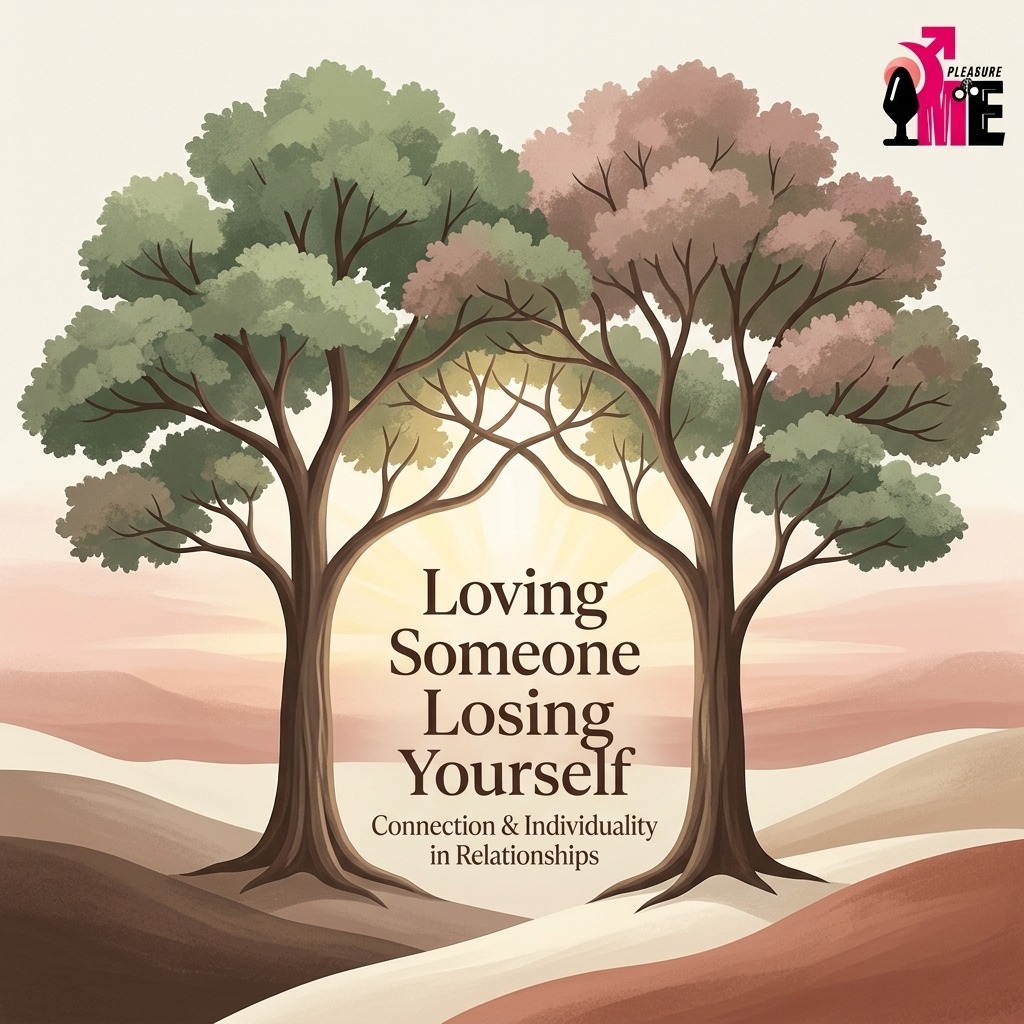
Being deeply in love with someone can be one of life's most beautiful experiences.
You want to spend time together.
You want to support each other's dreams.
You begin building routines, making plans, sharing responsibilities and imagining a future together.
But somewhere along the way, some people begin giving up pieces of themselves without even realizing it.
Their hobbies become less important.
Their friendships become distant.
Their personal goals get postponed.
Their opinions become quieter.
Their individual identity slowly becomes wrapped up in the relationship.
And eventually, they may find themselves asking:
"Who am I outside of this relationship?"
Loving someone deeply should not require you to disappear.
A relationship should add to your identity, not replace it
Being someone's partner is one part of who you are.
It shouldn't have to become your entire identity.
You are still an individual with your own:
Interests Friendships Dreams Values Goals Opinions Personal space Emotional needs
A healthy relationship creates room for those things.
You can love your partner and still enjoy time alone.
You can be committed and still have individual interests.
You can build a life together while continuing to grow as an individual.
In fact, maintaining a sense of individuality can make relationships healthier because both people continue bringing their own experiences, ideas and energy into the relationship.
When compromise becomes self-abandonment
Compromise is necessary in relationships.
Two people will naturally have different preferences, schedules, personalities and expectations.
Healthy compromise means finding solutions that consider both people.
But there is a difference between compromise and constantly abandoning your own needs to keep someone else happy.
If you're always the one adjusting...
Always apologizing...
Always giving up what you want...
Always changing your plans...
Always staying quiet to avoid conflict...
Eventually, resentment can develop.
You may begin feeling like the relationship only works when you make yourself smaller.
That's not a healthy compromise.
That's self-abandonment.
You don't have to earn love by becoming someone else
Sometimes people change themselves because they're afraid of losing their partner.
They stop dressing the way they like.
They stop spending time with certain friends.
They hide their opinions.
They change their personality.
They suppress their interests.
They avoid expressing their needs.
They become whatever they believe their partner wants.
But love built around pretending isn't sustainable.
Eventually, maintaining a version of yourself that doesn't feel authentic becomes exhausting.
Healthy love should allow you to be known — not simply tolerated when you behave exactly as someone else expects.
Your friendships matter too
Romantic relationships are important, but they shouldn't become your only source of connection.
Friendships provide different forms of emotional support, perspective, laughter and companionship.
Maintaining healthy friendships can actually benefit romantic relationships.
It gives you opportunities to experience different conversations, interests and social environments.
It also helps prevent emotional isolation.
You shouldn't have to choose between your partner and every other meaningful relationship in your life.
A healthy partner understands that you need community too.
Make space for your own dreams
Relationships often involve shared goals.
Buying a home.
Building a business.
Starting a family.
Traveling.
Planning for the future.
Those shared dreams are beautiful.
But don't forget your individual dreams.
Maybe there's a course you've always wanted to take.
A business you've wanted to build.
A creative project you've wanted to start.
A career goal you've been postponing.
A personal milestone you've wanted to achieve.
Being in a relationship shouldn't automatically mean putting your own growth on hold.
Your partner's dreams matter.
So do yours.
The healthiest relationships create room for both.
Personal space isn't rejection
Some people become uncomfortable when their partner asks for time alone.
They may immediately interpret it as:
"They're tired of me." "Something is wrong." "They don't love me anymore."
But needing personal space is not automatically a sign of emotional distance.
Sometimes people simply need time to recharge.
Reading a book.
Going for a walk.
Spending time with friends.
Watching something alone.
Enjoying a hobby.
Sitting quietly.
These moments can actually help people return to their relationships feeling refreshed rather than emotionally depleted.
Closeness and independence can coexist.
Don't make your partner responsible for your entire happiness
Your partner can contribute to your happiness.
They can support you, love you, encourage you, and share beautiful experiences with you.
But they cannot be responsible for fulfilling every emotional need you have.
That expectation can create enormous pressure within a relationship.
Maintaining your own interests, friendships, personal goals and emotional resources creates a healthier balance.
You become partners — not each other's entire world.
And don't expect yourself to be their entire world either
The same principle applies in reverse.
You don't have to be everything for your partner.
You can love them deeply without becoming their therapist, social life, entertainment, emotional regulator and sole source of validation.
Healthy relationships involve mutual support.
But mutual support doesn't mean carrying everything alone.
Sometimes the healthiest thing you can do for each other is encourage outside support, friendships, hobbies or professional guidance when needed.
Individuality can actually strengthen intimacy
This might sound surprising.
But having separate experiences can give couples more to talk about.
You learn something new.
Your partner experiences something different.
You both grow.
Then you come back together and share those experiences.
Your relationship becomes a meeting place between two whole people rather than a space where two people have completely merged their identities.
There's something beautiful about being able to say:
"I chose you, but I didn't have to lose myself to love you."
Ask yourself some honest questions
If you're wondering whether you've become disconnected from yourself within your relationship, take some time to reflect.
Ask yourself:
What did I enjoy before this relationship that I've stopped doing?
When was the last time I did something simply because I wanted to?
Do I feel comfortable expressing my opinions?
Do I maintain friendships outside of my relationship?
Am I pursuing any personal goals?
Can I ask for personal space without feeling guilty?
Am I compromising or constantly sacrificing myself?
These questions aren't meant to make you question your relationship.
They're meant to help you reconnect with yourself.
You deserve to remain a whole person
Being a good partner doesn't mean abandoning yourself.
You can be loving without being self-sacrificing.
You can be supportive without being emotionally depleted.
You can compromise without constantly surrendering.
You can build a future together without abandoning your own future.
And you can love someone deeply while continuing to love, understand and care for yourself.
At Pleasure Me, we believe intimacy begins with connection to yourself and to the people you love.
Because the healthiest relationships aren't built by two people who lose themselves in each other.
They're built by two people who continue growing individually while choosing to grow together.
Love someone deeply. But don't forget yourself in the process.
Recommended for you
Shop all
Explore our collection for Connection
Shop the collection