
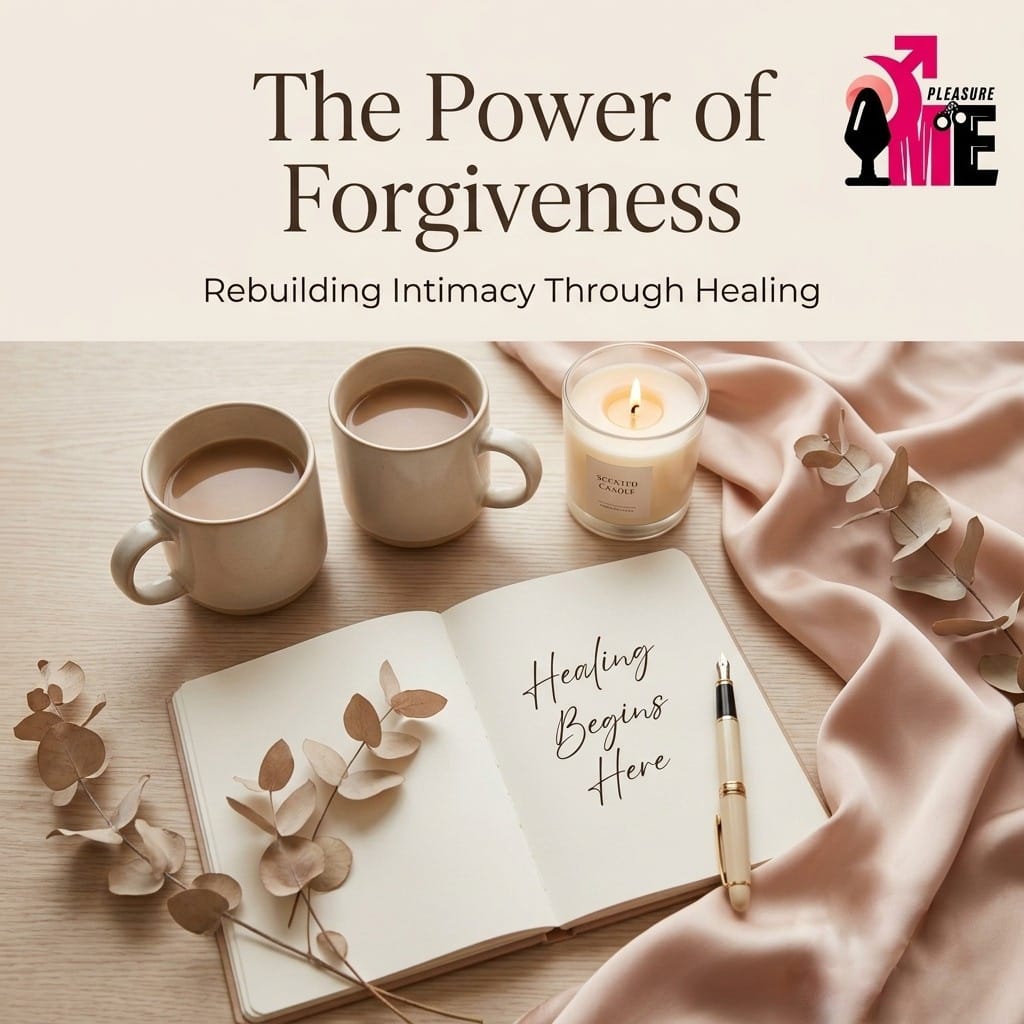
Every relationship experiences moments of hurt. Sometimes it's something small, a misunderstanding, a forgotten promise, or words spoken in frustration. Other times, the hurt runs much deeper, leaving emotional wounds that take time to heal. No matter the cause, one truth remains the same: No relationship can thrive if resentment is allowed to grow. Forgiveness is one of the most misunderstood aspects of healthy relationships. Many people believe forgiving someone means pretending the hurt never happened, excusing harmful behavior, or immediately returning to the way things were before. But forgiveness is none of those things. Forgiveness is a personal decision to release the burden of carrying anger, bitterness or resentment so that healing can begin. It does not mean forgetting. It does not mean accepting repeated unhealthy behavior. And it certainly does not mean sacrificing your boundaries or self-respect. Instead, forgiveness creates space for emotional healing. It allows people to move forward instead of remaining trapped in past pain. In relationships, forgiveness often works hand in hand with accountability. A sincere apology is important.
So is taking responsibility for actions, listening without becoming defensive and making meaningful changes that rebuild trust over time. Forgiveness without accountability can leave wounds unhealed. Accountability without forgiveness can leave relationships stuck in the past. Healthy relationships need both. Forgiveness also requires patience. Healing rarely happens overnight. After emotional hurt, people often need time to process their feelings, rebuild trust and feel emotionally safe again. Trying to rush that process can create even more frustration. Instead, healing grows through consistency. It grows when both partners continue showing up with honesty, empathy and a willingness to understand each other's experiences. Communication becomes especially important during this season. Rather than focusing on winning arguments, healthy couples learn to focus on understanding. They ask questions such as: ● "How did my actions affect you?" ● "What do you need from me to feel safe again?" ● "How can we prevent this from happening in the future?" These conversations can feel difficult, but they often become turning points that strengthen relationships. Forgiveness is also an act of self-care. Holding onto resentment can affect emotional well-being, increase stress and make it difficult to experience joy or connection. Choosing forgiveness doesn't erase the past. It simply allows the past to stop controlling the future. It's equally important to recognize that forgiveness does not always mean reconciliation. Some relationships can be repaired. Others cannot If a relationship involves repeated dishonesty, manipulation, abuse, or ongoing disrespect, protecting your emotional and physical well-being should always come first. Forgiveness can still happen without remaining in an unhealthy situation. You can choose healing while also choosing healthy boundaries. That distinction is important. At Pleasure Me, we believe healthy intimacy grows through trust, communication, accountability, compassion and emotional safety. Forgiveness is not about pretending pain never existed. It's about creating the opportunity for healing, growth and stronger connection where both people are willing to do the work. Because every lasting relationship will experience difficult moments. The strongest ones are not those that never face challenges. They're the ones that learn how to heal together. Healing begins with honest conversations and intentional connection. Explore more articles designed to support healthy relationships, emotional wellness and lasting intimacy. 🌐 www.pleasuremegy.com Because every healthy relationship deserves the opportunity to grow.
Recommended for you
Shop all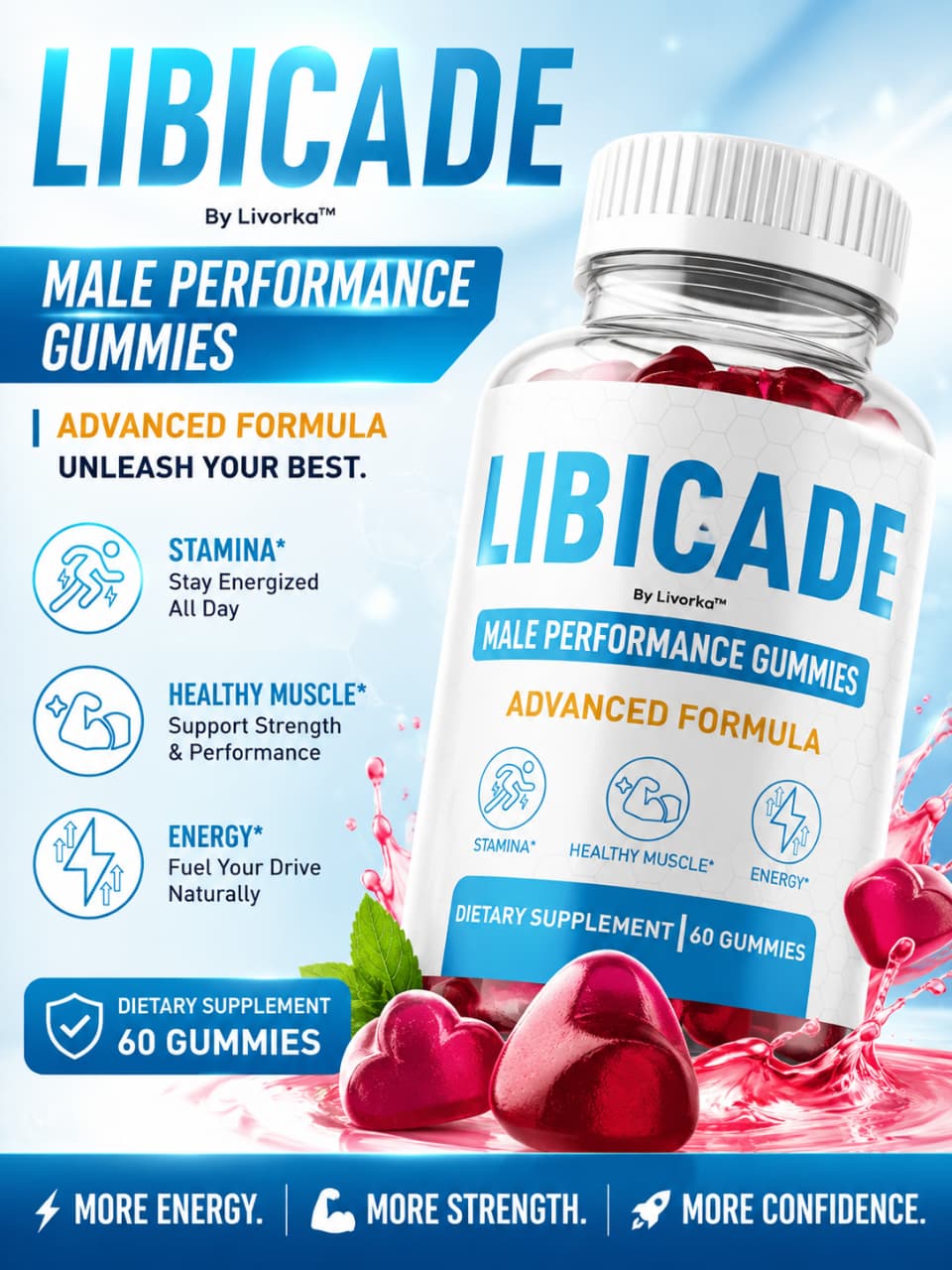

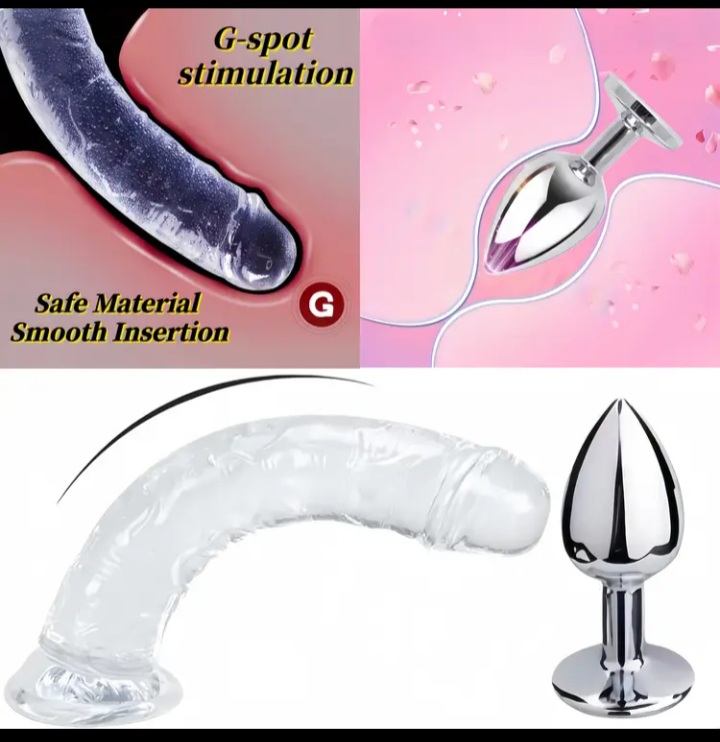
Explore our collection for Intimacy
Shop the collection