
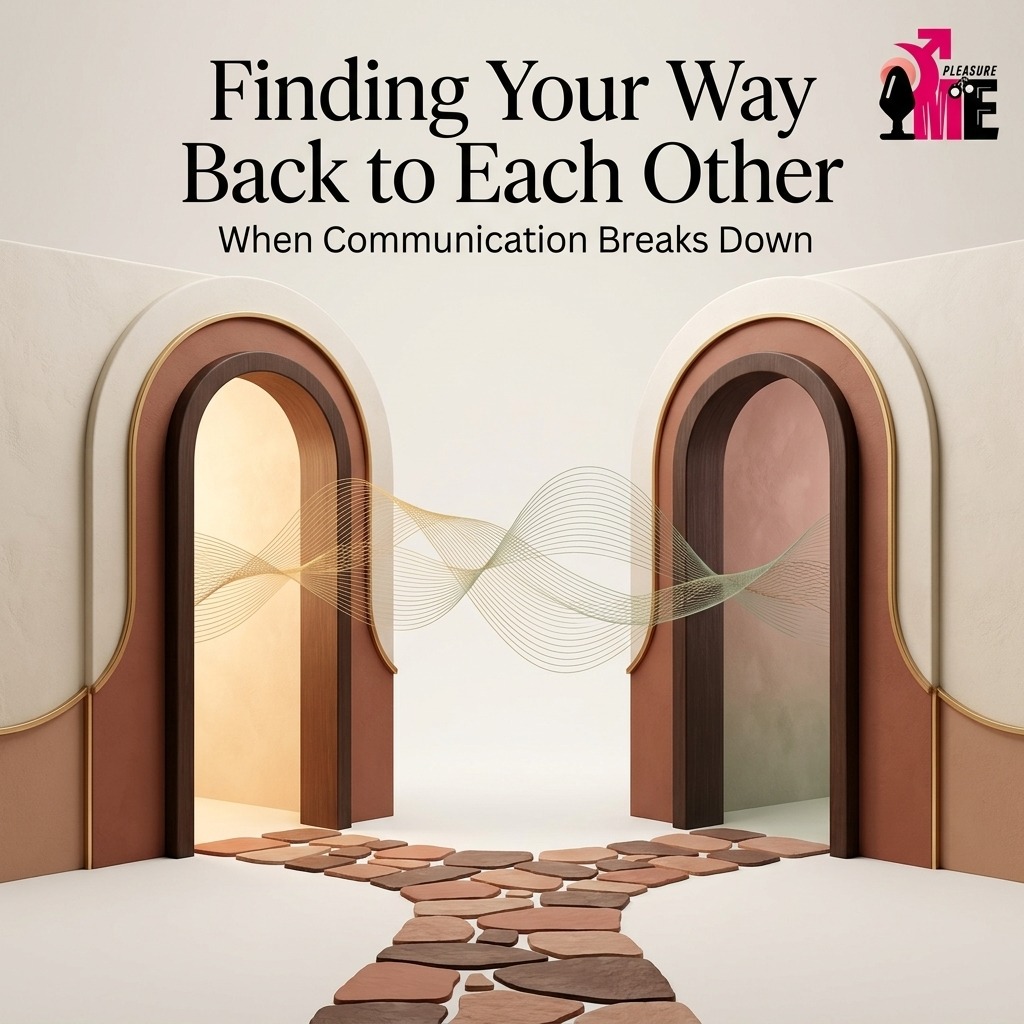
Communication is often described as the foundation of a healthy relationship.
But communication isn't simply about talking.
It's about feeling heard.
It's about feeling understood.
It's about being able to express your thoughts, emotions, concerns, needs and desires without constantly feeling dismissed or misunderstood.
And sometimes, couples don't stop loving each other when communication breaks down.
They simply stop knowing how to reach each other.
Life gets busy.
Conversations become focused on responsibilities.
"Did you pay the bill?" "What time are you coming home?" "Did you pick up the groceries?" "Who's taking care of this?"
Eventually, two people can become excellent at managing a household while becoming strangers when it comes to emotional connection.
That kind of distance doesn't always happen suddenly.
Sometimes it happens through hundreds of small moments when someone feels unheard, misunderstood, ignored or too tired to explain themselves again.
When conversations become difficult
One of the clearest signs that communication needs attention is when couples stop having meaningful conversations.
They may still talk every day but the conversations rarely go deeper than everyday responsibilities.
There may be little discussion about feelings, dreams, fears, frustrations, affection, intimacy, or what each person actually needs.
Eventually, one or both partners may begin thinking:
"What's the point of talking? Nothing changes anyway."
That's when emotional distance can become particularly difficult to repair.
Because silence can sometimes become a habit.
Assumptions can replace communication
When people stop communicating openly, they often begin filling in the gaps themselves.
A partner who doesn't respond may be assumed to be angry.
A partner who seems distant may be assumed to have lost interest.
A change in intimacy may be interpreted as rejection.
A short response may be interpreted as disrespect.
The problem is that assumptions aren't communication.
We can be completely convinced that we know what someone is thinking and still be wrong.
Instead of assuming, ask.
Instead of interpreting silence, create space for conversation.
Instead of building a story in your head, give your partner an opportunity to explain their experience.
Learn to listen without immediately defending yourself
One of the hardest parts of communication is listening when you don't agree.
When someone tells us that we've hurt them, our first instinct may be to explain ourselves.
"That's not what I meant." "You misunderstood me." "But you did the same thing."
There may be truth in those statements.
But if your partner is trying to tell you how something affected them, immediately defending yourself can make them feel even less heard.
Listening doesn't mean agreeing with everything.
It means allowing someone to finish expressing their experience before responding.
Sometimes the most helpful response isn't a solution.
It's simply:
"I understand why that hurt you."
Talk about the problem, not the person's character
There's a major difference between saying:
"I didn't appreciate what happened earlier."
and:
"You're such a selfish person."
One addresses behavior.
The other attacks identity.
Healthy communication focuses on specific situations rather than using insults, labels or sweeping statements.
Try discussing what happened, how it made you feel, and what you would like to happen differently.
This gives both people something they can actually work with.
Timing matters
Not every conversation needs to happen immediately.
If you're extremely angry, exhausted, or overwhelmed, continuing the conversation may make things worse.
Taking a pause can be healthy when it's communicated respectfully.
For example:
"I'm too upset to have this conversation properly right now. I don't want to say something hurtful. Can we talk about it later tonight?"
The important part is returning to the conversation.
Taking space should not become a way of avoiding difficult conversations indefinitely.
Don't only communicate when something is wrong
One of the best ways to improve communication is to talk when you're not fighting.
Ask each other questions simply because you want to understand one another.
"How are you really feeling lately?" "Is there anything you've been struggling with?" "What have you been enjoying recently?" "Is there anything you wish we did more often?" "How can I make you feel more supported?"
These conversations create emotional familiarity.
And emotional familiarity can make difficult conversations easier later.
Intimacy needs communication too
Physical intimacy doesn't exist separately from the emotional relationship.
People may have different preferences, comfort levels, expectations, and needs.
If those things aren't discussed, couples can end up relying on assumptions.
Healthy intimate communication can include conversations about:
Comfort Boundaries Consent Preferences Emotional needs Expectations What feels good What doesn't feel comfortable
These conversations don't have to be awkward or clinical.
They can actually create greater trust.
When people know they can communicate honestly without being judged, intimacy can become much more relaxed and authentic.
Sometimes reconnecting starts with one conversation
You don't necessarily need to solve every relationship problem at once.
Sometimes the first step is simply acknowledging the distance.
"I feel like we've been disconnected lately, and I miss feeling close to you."
That sentence can open a very different conversation than:
"You don't care about me anymore."
The goal isn't to blame.
It's to create an invitation to reconnect.
And rebuilding communication takes consistency.
One good conversation won't automatically repair months or years of emotional distance.
Trust and connection are rebuilt through repeated experiences of listening, honesty, accountability, and follow-through.
Know when communication isn't enough
It's also important to recognize that communication cannot fix everything.
If someone consistently refuses to communicate, manipulates conversations, uses intimidation, dismisses your feelings, or makes you afraid to express yourself, the problem goes beyond ordinary communication difficulties.
Healthy communication requires participation from both people.
You cannot carry an entire relationship's emotional responsibility alone.
Sometimes outside support, such as a qualified counselor or therapist, can help couples navigate persistent communication problems.
And sometimes protecting yourself and establishing firm boundaries is the healthiest choice.
Connection can be rebuilt
Feeling distant doesn't necessarily mean a relationship is over.
People can reconnect.
They can learn new communication habits.
They can become curious about each other again.
They can apologize.
They can listen.
They can make changes.
They can choose to stop treating every disagreement as a battle and start treating communication as a pathway back to one another.
At Pleasure Me, we believe intimacy begins long before physical closeness.
It begins with the ability to say:
"This is how I feel." "This is what I need." "I want to understand you." "Let's work through this together."
Because sometimes the distance between two people isn't created by a lack of love.
Sometimes it's created by a lack of communication.
And sometimes, one honest conversation can be the beginning of finding your way back to each other.
Recommended for you
Shop all

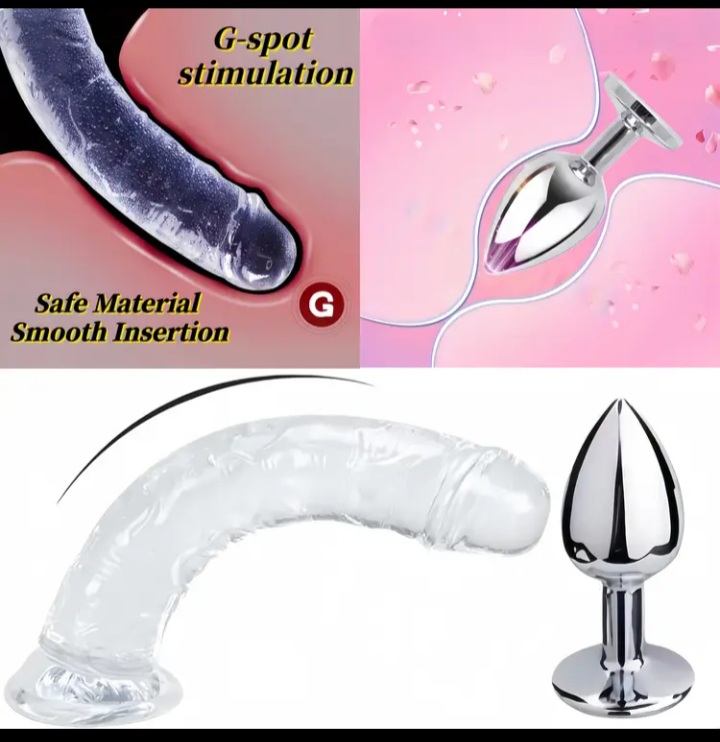
Explore our collection for Communication
Shop the collection