
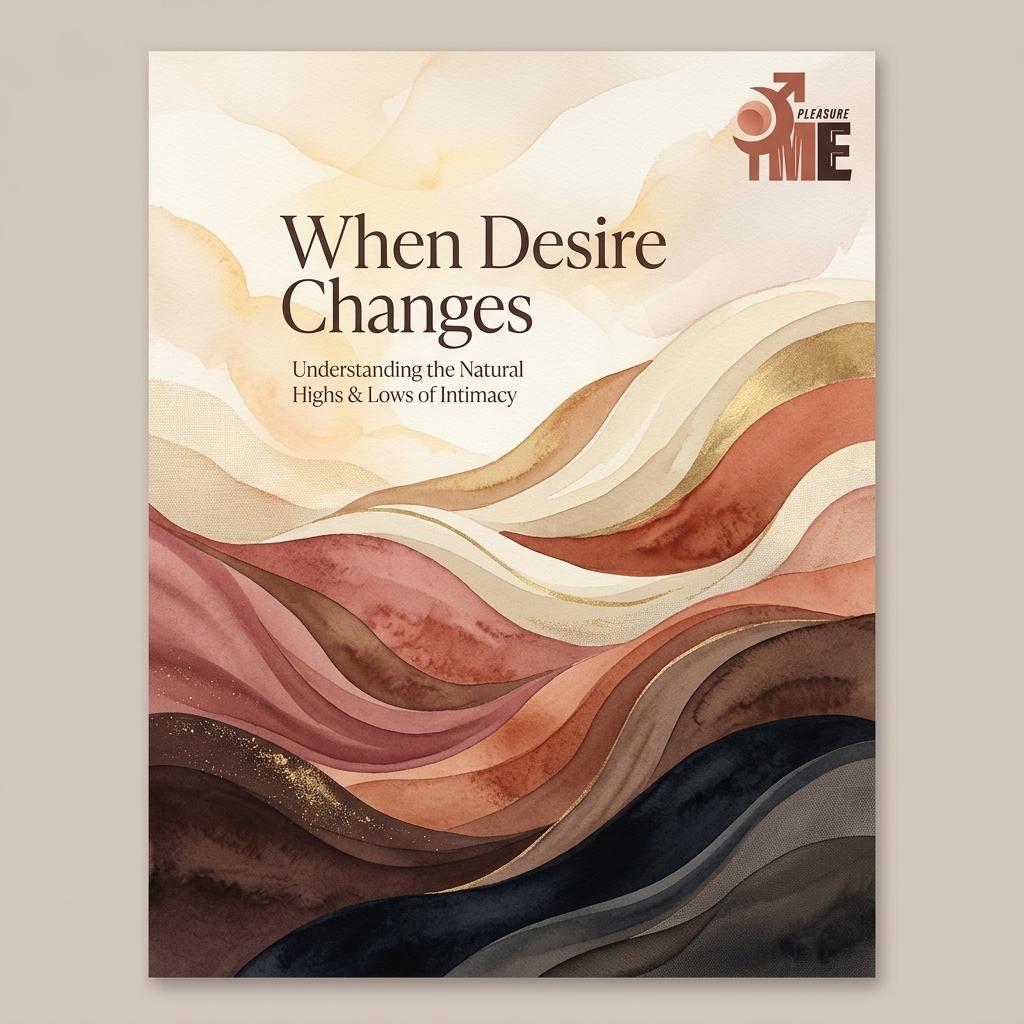
Desire is often portrayed as something that should always be present in a healthy relationship. We see it in movies, social media, advertisements and even conversations between friends. There can be an unspoken expectation that if you love someone, you should always want physical intimacy with them. But real life is much more complicated. Desire naturally changes. There may be periods when you feel highly connected and interested in intimacy, and other times when your desire is lower. This can happen to people who are single, dating, married, in long-term relationships, or simply moving through different seasons of life. A change in desire does not automatically mean that something is wrong with you or your relationship. Sometimes, it simply means you're human. Desire is influenced by more than attraction Many people think desire is based solely on physical attraction. But desire can be influenced by many different aspects of life, including: ● Stress ● Emotional connection ● Relationship satisfaction ● Fatigue ● Daily responsibilities ● Body confidence ● Personal experiences ● Hormonal changes ● Medication or other health-related factors ● Feeling emotionally safe ● The quality of communication within a relationship This is why expecting desire to remain exactly the same throughout a relationship can create unnecessary pressure. Life changes and our bodies and emotions change along with it. Stress can affect intimacy more than we realize Imagine spending an entire day dealing with work, financial responsibilities, family concerns, household tasks and countless other demands. By the time the day ends, you may be physically exhausted and mentally overwhelmed. That doesn't necessarily mean you've lost attraction to your partner. You may simply need rest. Sometimes what looks like a lack of desire is actually a need for emotional support, relaxation, affection or simply a break from responsibilities. Understanding this distinction can prevent couples from taking changes in desire personally. Emotional connection matters For many people, especially within long-term relationships, emotional connection can strongly influence physical intimacy. Feeling appreciated, respected, listened to and emotionally safe can create an environment where intimacy feels more natural. On the other hand, unresolved conflict, emotional distance, resentment or feeling neglected can make intimacy feel difficult. This is why trying to "fix" desire without addressing the emotional relationship underneath it may not solve the real issue. Sometimes the first step toward reconnecting physically is reconnecting emotionally. Stop turning intimacy into an obligation One of the most damaging things couples can do is turn intimacy into a responsibility. When someone feels pressured to be intimate simply because they are in a relationship, intimacy can begin to feel like an obligation rather than a shared experience. Healthy intimacy requires mutual willingness. It should never depend on guilt, manipulation, fear, or pressure. Being in a relationship does not mean someone owes their partner physical intimacy whenever their partner wants it. Communication and mutual respect matter. There will be times when one person wants intimacy and the other doesn't. That difference doesn't have to become a rejection of the relationship. It can simply be a moment that requires understanding. Talk about the change instead of making assumptions If you notice that your desire or your partner's desire has changed, don't immediately assume: "They're no longer attracted to me." "They must not love me anymore." "Something must be wrong with our relationship." Instead, create space for an honest conversation. You might ask: "How have you been feeling lately?" "Is there anything affecting how connected you feel?" "Is there something you need more of from me?" "How can we create more time and space for each other?" These questions open the door to understanding rather than blame. Low desire deserves compassion not shame People can become incredibly self-critical when their desire changes. They may compare themselves to their partner, friends or unrealistic portrayals of relationships. But there is no single "normal" level of desire that every person should experience. Your relationship with intimacy is personal. What matters is understanding your own experiences, communicating openly and paying attention when something changes significantly or causes distress. If a persistent change in desire concerns you, especially when it appears suddenly or alongside other physical or emotional changes, speaking with an appropriate healthcare professional can be a helpful step. Seeking information or support isn't something to be embarrassed about. It's part of taking care of yourself. Reconnecting doesn't have to begin with sex When couples want to rebuild intimacy, they sometimes immediately focus on physical intimacy. But reconnection can begin much earlier. Try: ✨ Spending uninterrupted time together ✨ Showing affection without expecting anything more ✨ Having honest conversations ✨ Going on a date ✨ Laughing together ✨ Giving each other space to rest ✨ Expressing appreciation ✨ Rebuilding emotional safety Sometimes desire returns naturally when pressure is removed and connection is restored. Intimacy is allowed to have seasons There will be seasons of excitement. There will be seasons of stress. There will be seasons where intimacy feels effortless and others where it requires more intention. None of these automatically determine the quality of a relationship. What matters is how you navigate those changes together. At Pleasure Me, we believe intimacy should never be defined by pressure or unrealistic expectations. Desire can change. Relationships can change. Life can change. And that's okay. The goal isn't to force intimacy to look the same every day. It's to create enough trust, communication, emotional safety and understanding for both people to feel comfortable navigating the changes together. Because sometimes, reconnecting doesn't begin with creating more desire. It begins with creating more understanding.
Recommended for you
Shop all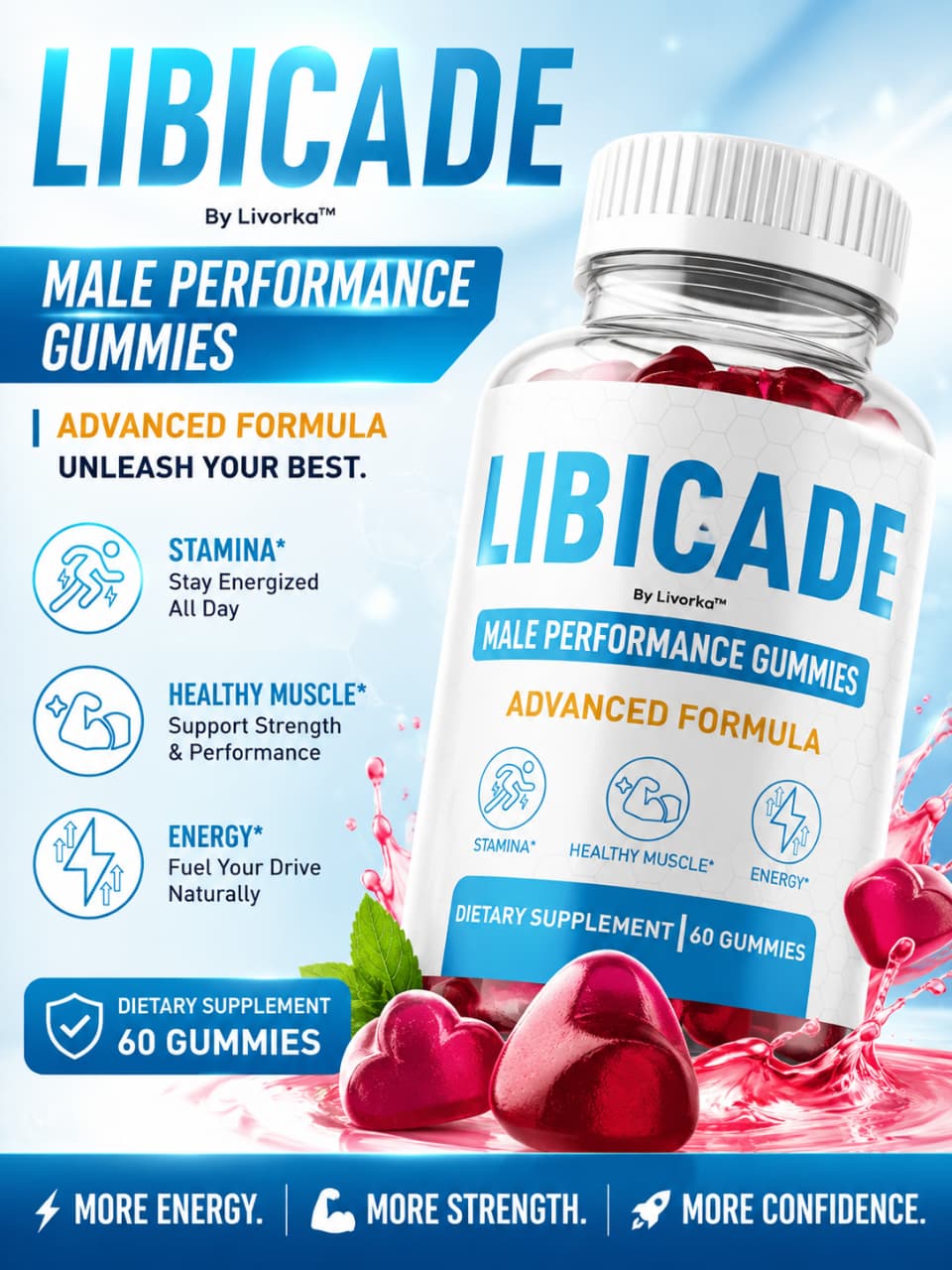
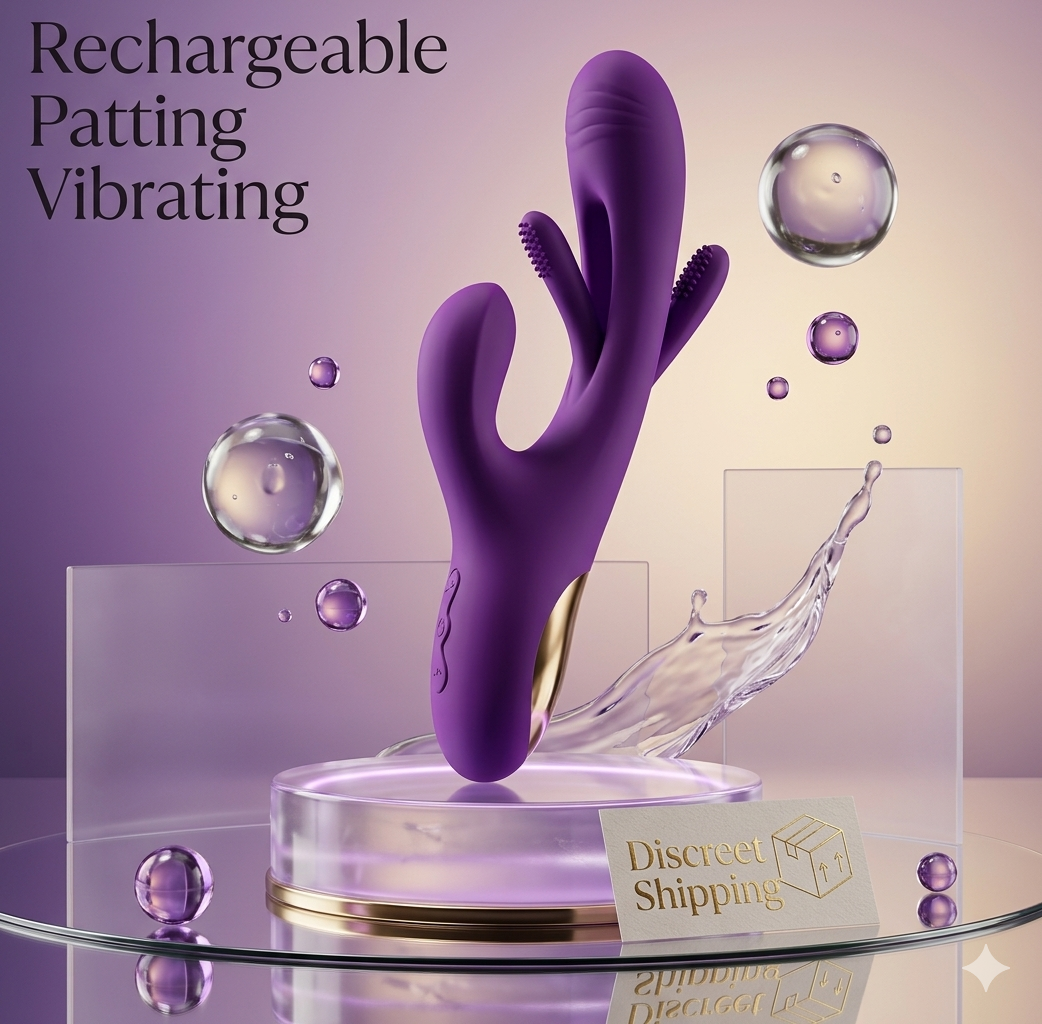
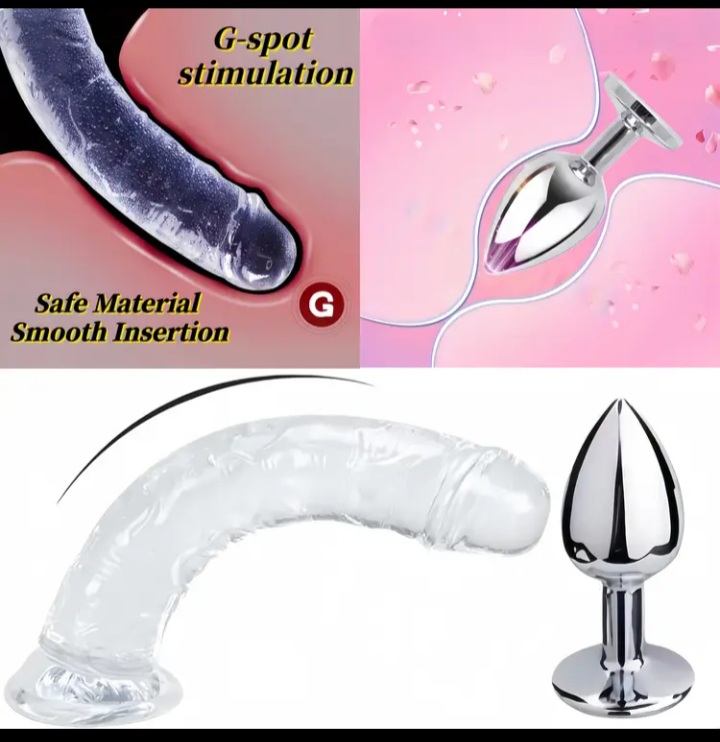
Explore our collection for Intimacy
Shop the collection